Well Pump Repair in Greer, SC
Turned on the tap and got nothing, or hear the pump running and running? We find out why: the pump, the pressure switch, the tank or the line, and fix the part that failed, including replacing jet pumps and booster pumps.
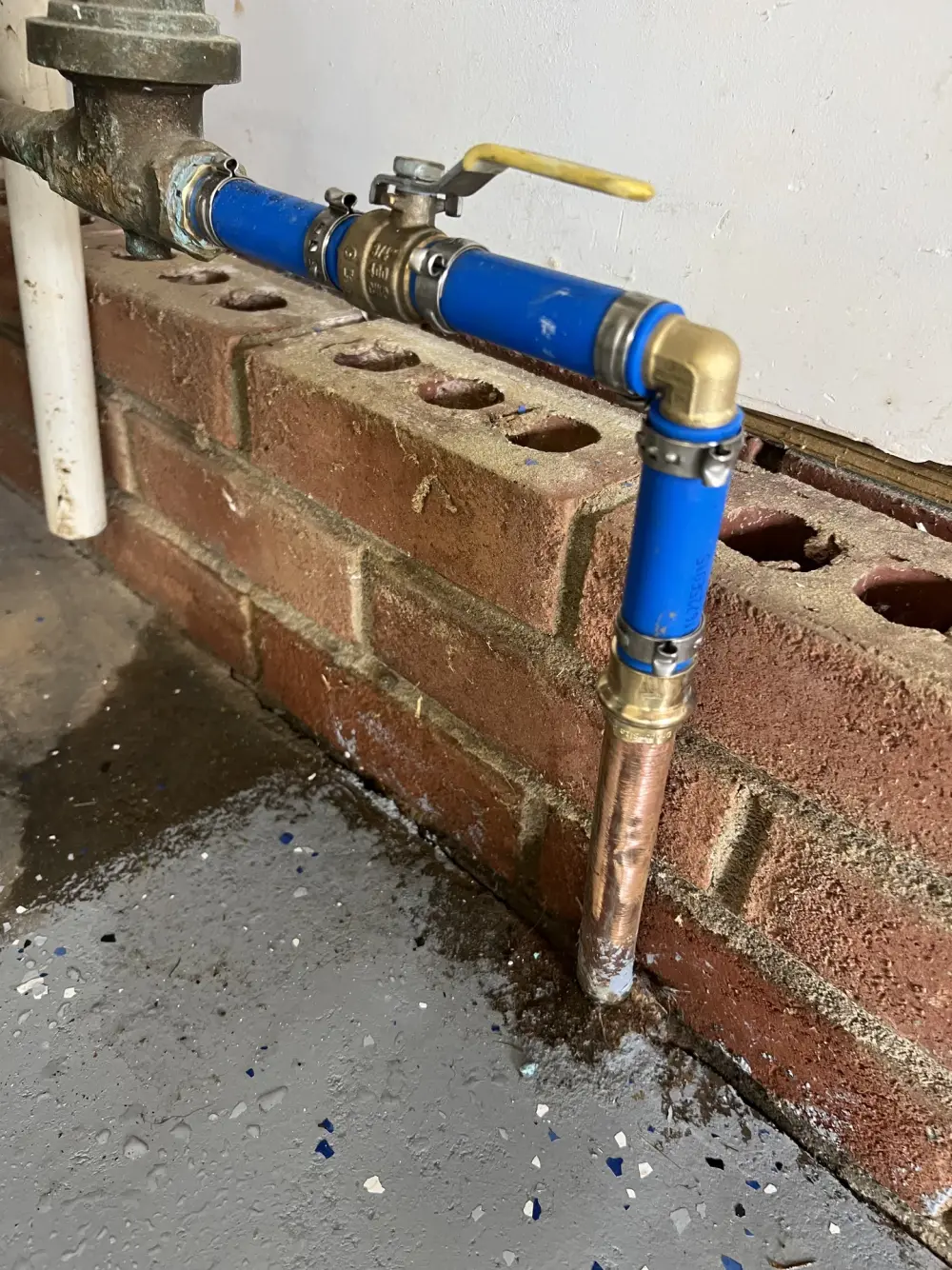
About This Service
More than one in five South Carolinians gets water from a private well. When the water stops, the pump gets blamed first, but it's often something on the surface. Clemson Extension lists pump failure and leaks as the two common well-system problems, and notes that a sticking pressure switch can keep a pump from starting at all. A tripped breaker, a failed switch, a waterlogged pressure tank or a leak in the line between the well and the house can all look like a dead pump.
We start at the surface. We check power to the pump, the pressure switch, the tank's air charge and the line, and test the pump itself. Which pump you have matters. Jet pumps sit above ground, in a well house or crawl space; Goulds' manuals note that a shallow-well jet pump works with up to about 25 feet of suction lift, and deeper wells need a two-pipe deep-well jet setup or a submersible pump down in the well. We replace shallow and convertible jet pumps, install and replace booster pumps for low pressure, and repair or replace the line from the well to the house.
In a freeze, the risk is above ground. The Water Systems Council says most well pumps sit down inside the well at depths that don't freeze, so it's the exposed casing and pipes that need protecting, and that an above-ground pump should be kept where the temperature stays above 40 degrees, in an insulated enclosure if that spot drops below 32. A National Ground Water Association article on wells in the South says the small pipe from the manifold to the pressure switch is especially vulnerable, and that a pressure gauge can be destroyed in one night below freezing. Pump manuals list frozen pipes as one cause of a motor that runs but delivers no water; Flotec's remedy is to thaw the pipes, bury them below the frost line, or heat the pit or pump house. A Clemson Extension water resources agent in the Savannah Valley district says to insulate exposed pipes with sleeves and aluminum tape, to minimize heat tape and, if you use it, choose one with a built-in thermostat and never overwrap or cross the wires, since improper installation can lead to fire, and not to use heat lamps, which can be a fire hazard. If a jet pump, its tank and piping will sit in freezing weather, Goulds says to drain the entire system (horizontal pumps may have two drain plugs), and Flotec says never to start the motor until the pump has been filled with water. Goulds: never run a pump dry.
If the problem is a submersible pump down the well, we diagnose it and tell you plainly what's failed, so you're not paying to pull a pump that's fine. If your house is on a well and you're not sure whether the water's safe, test it as well; see our water quality testing page.
Signs You May Need Well Pump Repair
- No water at any faucet
- The pump runs constantly or won't shut off
- The pump clicks on and off every few seconds
- Pressure that drops off in the middle of a shower
- Air spitting from faucets
- A pump that hums but doesn't build pressure
- A wet spot or leak between the well and the house
What's Included
- Well system diagnosis from the switch to the pump
- Shallow and convertible jet pump replacement
- Submersible well pump diagnosis
- Pressure switch replacement
- Booster pump installation and replacement
- Well line repair at the pressure tank
- Buried well water line replacement
Why Choose Us
- We check the cheap parts before the expensive one
- A straight answer on what failed, including when it's the pump down the well
- Licensed in South Carolina and North Carolina
- Veteran-owned local plumber in Greer
Well Pump Repair FAQ
Well Pump Repair Near You
We provide well pump repair to homeowners and businesses across the Upstate SC area. Select your city to see local service info.
Sources
- Water Systems Council: winterizing and protecting pipes
- National Ground Water Association: winterizing your well, Southern style
- Clemson Extension, Savannah Valley water resources agent: insulate your water pipes (Nov. 2023)
- Flotec: FP2521 shallow well jet pump manual (troubleshooting, priming)
- Clemson HGIC: What's on Tap? Well Water and Your Health
- Clemson HGIC: Residential Drinking Water Well Components
- Goulds Water Technology: jet pump installation manual (IM102)
- SC DES: Well Water Quality Testing Services