About This Service
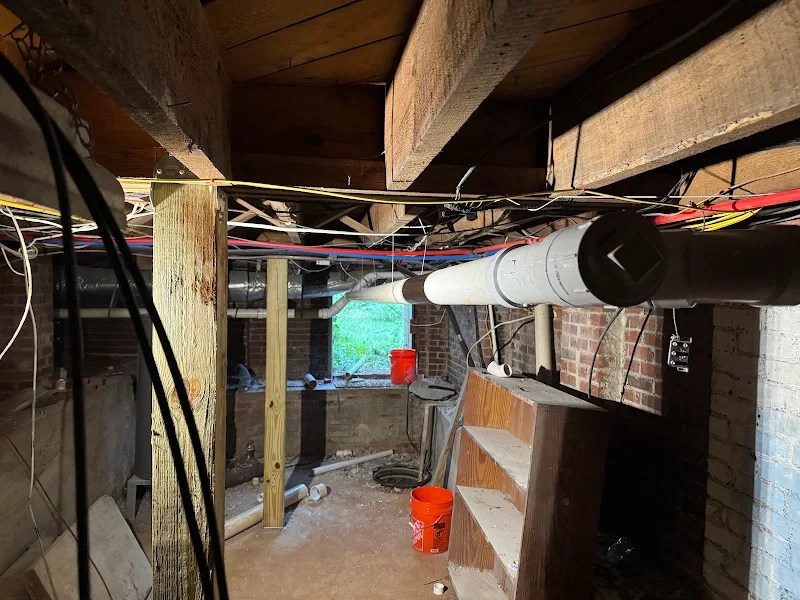
Old galvanized steel is one of the main reasons to repipe. It corrodes from the inside, so the opening narrows and the water that comes through it can turn rusty or discolored. When we repiped the drain and water lines of a Greenville house, our post listed what a re-pipe can help eliminate in a house with old galvanized, cast iron or failing plumbing: low water pressure, rusty or discolored water, recurring leaks and slow drains.
A repipe doesn't have to mean every pipe at once. In a Greenville crawl space, the CPVC line feeding an outdoor spigot had cracked and was leaking badly; we replaced that run with PEX. When old copper fails in one area, we reroute that branch in PEX. When a slab leak keeps coming back, we can bypass the line under the slab and run it overhead instead, so the next leak isn't under concrete. And for a whole house, we replace the supply lines throughout, from the main to every fixture group.
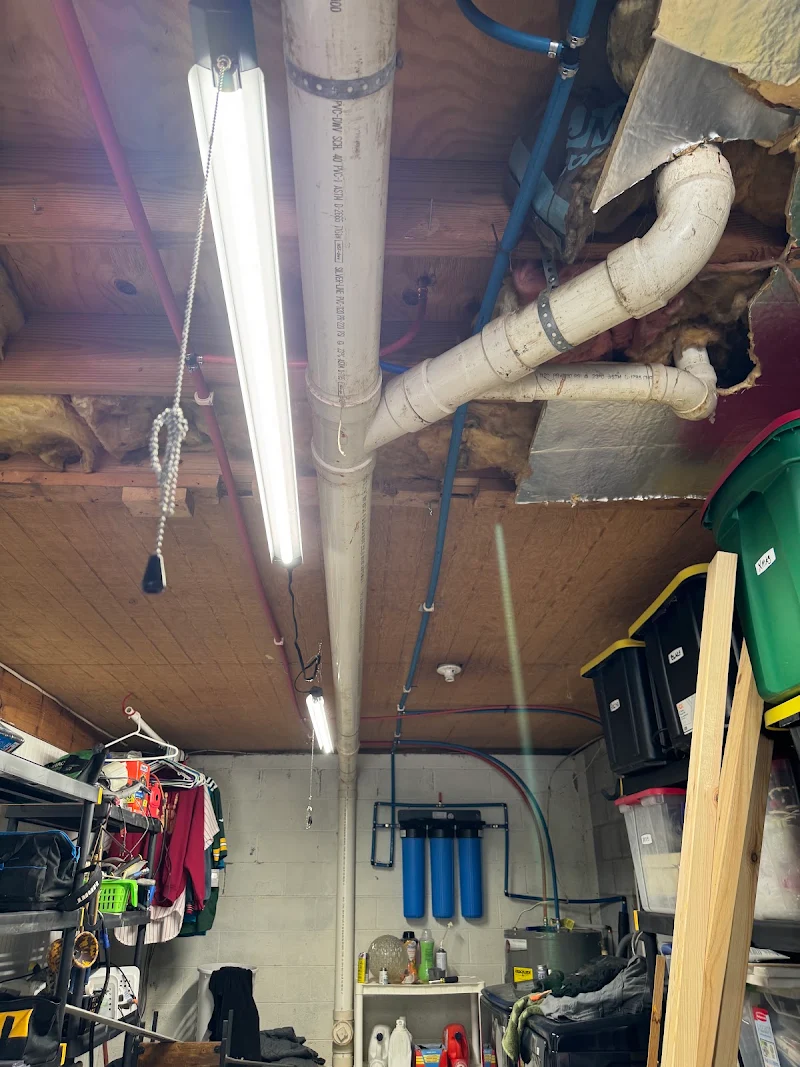
A repipe runs new supply lines to each fixture group, with new shutoffs and connections, and the new piping is pressure tested before the walls are closed. In Hendersonville, NC, we did a whole-home repipe along with a new water filtration system, improving the home's plumbing and water quality from the source to the fixtures.
Why PEX: it's allowed by South Carolina's residential code for the water lines in a house, it's flexible, and the PEX made for drinking water is tested for resistance to chlorinated water. Our guide to PEX vs. copper covers the differences in detail.
 From Google