Back to Home
Water Pressure Regulator (PRV) in Greer, SC
Water pressure too high, pipes banging, or a water heater relief valve that keeps dripping? We test your home's pressure and install or replace the pressure-reducing valve (PRV) that keeps it in a safe range, along with the expansion tank and relief valve that go with it.
Straight From The Field
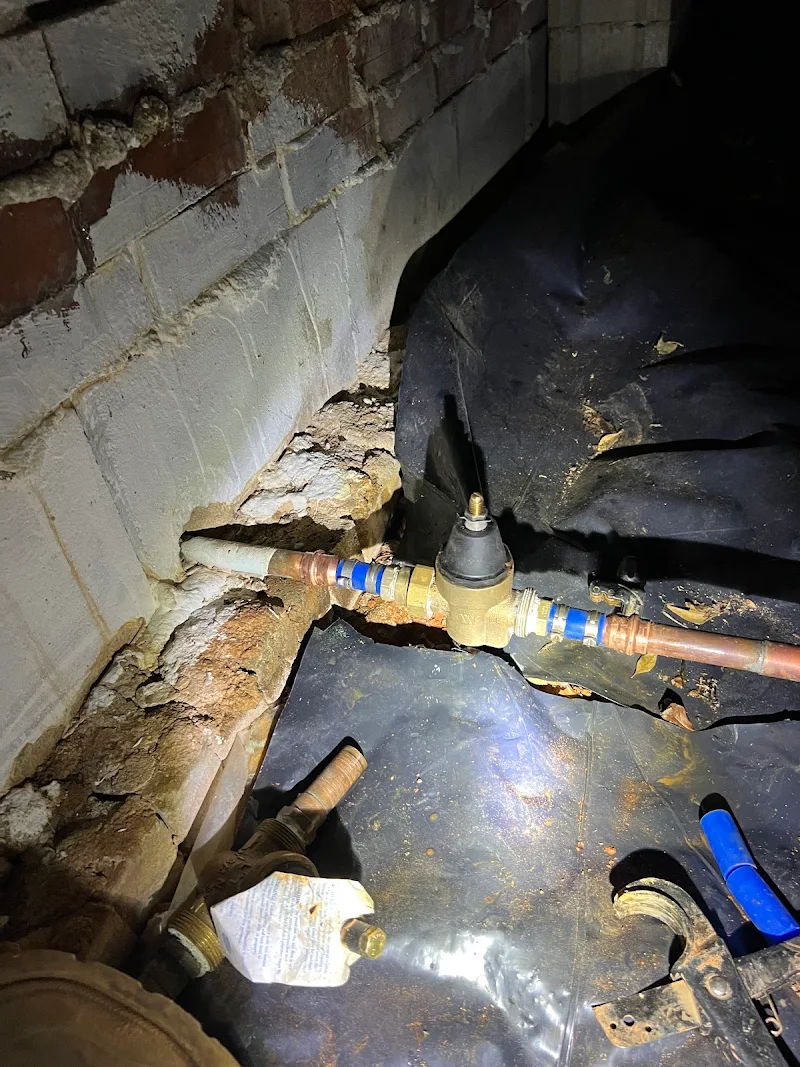
Recent Water Pressure Regulator (PRV) Jobs
Real water pressure regulator (prv) work we've completed across the Upstate.
 From Google
About This Service
A pressure-reducing valve sits on the main water line where it enters the house and brings street pressure down to a level your pipes, fixtures and appliances can live with. When it wears out, pressure creeps back up: pipes bang, faucets spray hard, toilets run, and hose and washing machine connections stay under strain. A failing PRV can also drop pressure too low.
Blue Ridge Rural Water notified customers in part of its system, around Blue Ridge and Tigerville north of Greer, of a planned pressure increase of about 40 psi after June 15, 2026, and asked them to make sure they have a working pressure-reducing valve. If you got the notice, have the pressure at your house tested. It takes a gauge and a few minutes, and it tells you whether you need a PRV.
A PRV also closes your plumbing system, so water that expands as it heats has nowhere to go. That's why code calls for a way to control thermal expansion, usually an expansion tank on the water heater, when a PRV or check valve closes the system, and why a dripping temperature and pressure (T&P) relief valve is often a pressure problem rather than a bad valve. We look at all three together.
Signs You May Need Water Pressure Regulator (PRV)
- Banging or hammering pipes when a faucet or appliance shuts off
- Faucets and showers that spray harder than they should
- A water heater relief valve that drips or has a wet discharge pipe
- Toilets that run or refill on their own
- Leaks at hose bibs, washing machine hoses or supply lines
- A notice from your water provider about higher pressure
- Pressure that dropped low after an old PRV failed
What's Included
- A pressure test at a hose bib or the water heater
- PRV installation or replacement on the main water line
- Pressure set and adjusted for the home after the valve goes in
- A new main shutoff valve where the old one is failing
- Thermal expansion tank installation or replacement
- Temperature and pressure relief valve replacement when needed
- A leak check on the system after the pressure is set
Why Choose Us
- We set and check the pressure, not just swap the valve
- The expansion tank and relief valve are checked in the same visit
- Licensed in South Carolina and North Carolina
- Veteran-owned local plumber in Greer
Water Pressure Regulator (PRV) FAQ
South Carolina's residential plumbing code caps a home's static water pressure at 80 psi and calls for a pressure-reducing valve when the pressure in the main is higher than that. We set the valve below that limit, at a pressure your fixtures and appliances handle comfortably.
Banging pipes, hard-spraying faucets, running toilets and a dripping water heater relief valve are the usual signs of pressure creeping up. A gauge on a hose bib confirms it. A PRV can also fail low, leaving weak pressure throughout the house.
Have the pressure at your house tested. If it's above a safe range, a pressure-reducing valve on your main line brings it back down and protects your water heater, fixtures and appliance hoses. Call 864-279-4461.
Usually, yes. A PRV keeps water from pushing back into the street, so when the water heater heats and expands that water, pressure spikes inside your pipes. A thermal expansion tank on the water heater absorbs it. Code calls for a way to control that pressure when a PRV or check valve closes the system, and an expansion tank is the usual one.
Water moving fast under high pressure slams to a stop when a valve closes quickly, like a washing machine or dishwasher valve. Bringing the pressure down with a PRV is often the fix. Code also calls for a water-hammer arrestor where quick-closing valves are used, and loose pipe straps can make the noise worse.
Water Pressure Regulator (PRV) Near You
We provide water pressure regulator (prv) to homeowners and businesses across the Upstate SC area. Select your city to see local service info.
Water Pressure Regulator (PRV) in Greer, SCWater Pressure Regulator (PRV) in Greenville, SCWater Pressure Regulator (PRV) in Taylors, SCWater Pressure Regulator (PRV) in Pebble Creek, SCWater Pressure Regulator (PRV) in Simpsonville, SCWater Pressure Regulator (PRV) in Duncan, SCWater Pressure Regulator (PRV) in Lyman, SCWater Pressure Regulator (PRV) in Spartanburg, SCWater Pressure Regulator (PRV) in Boiling Springs, SCWater Pressure Regulator (PRV) in Fountain Inn, SCWater Pressure Regulator (PRV) in Inman, SCWater Pressure Regulator (PRV) in Wellford, SCWater Pressure Regulator (PRV) in Roebuck, SCWater Pressure Regulator (PRV) in Travelers Rest, SCWater Pressure Regulator (PRV) in Pelham, SC